
Good morning, AI enthusiasts. Students are increasingly switching from traditional computer science programs to AI-focused majors, reflecting a broader shift in how technology education is evolving to meet today’s demands.
Universities are updating curricula to treat AI literacy as a core skill, raising important questions about how this migration will reshape the future talent pipeline and the industries that depend on it. How will this shift influence hiring and innovation as AI becomes foundational across sectors?
In today’s AI recap:

From Larry Bruce:
"The rise of AI-focused degrees marks a pivotal shift in technology education, reflecting the growing need for AI skills as foundational career assets. This transition signals new opportunities and challenges for professionals seeking to stay ahead in an evolving talent ecosystem."
—Larry Bruce, BDCbox
The Recap:
The traditional computer science major faces a noticeable decline as students increasingly choose AI-specific programs and courses. This shift highlights AI literacy emerging as essential infrastructure across education systems worldwide.
Unpacked:
Bottom line:
The shift from traditional CS to AI majors redefines how new talent prepares for the tech landscape. Professionals should watch this trend closely as it influences hiring, innovation, and AI adoption in workplaces.

From Larry Bruce:
"Glean’s shift to a middleware AI layer reflects a critical moment for enterprises seeking scalable, secure AI integration. This new approach shows how AI can connect deeply with business data while maintaining control and trust—key concerns for our readers navigating AI’s impact on workflow automation and productivity."
Larry Bruce, BDCbox
The Recap: Glean is evolving beyond its original enterprise search roots to become a vital middleware layer that connects large language models to company data securely. This approach lets enterprises deploy AI assistants with permission controls and accuracy at scale.
Unpacked:
Bottom line: Glean’s middleware offers professionals a scalable way to bring AI into daily workflows without sacrificing data security or accuracy. This new layer sets the stage for the next phase of enterprise AI adoption, empowering teams to build smarter, safer AI assistants.
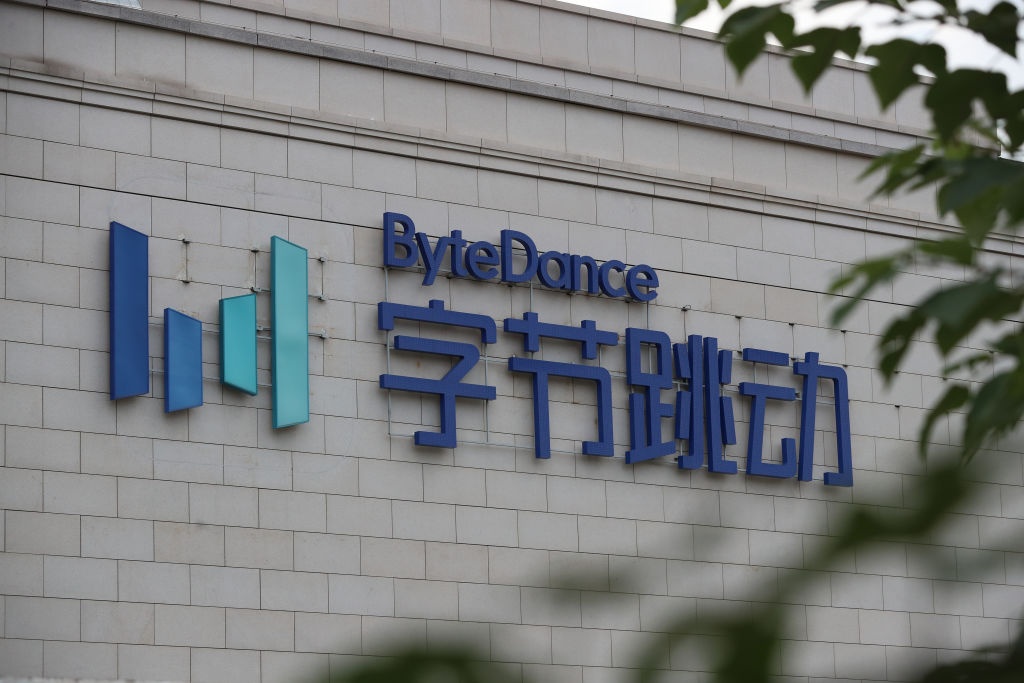
From Larry Bruce: "ByteDance’s Seedance 2.0 highlights where AI innovation meets legal limits. For professionals tracking AI’s rise, it’s a key case showing how content creation is evolving—and the challenges ahead." —Larry Bruce, BDCbox
The Recap: ByteDance launched Seedance 2.0, a new AI tool that generates videos from text prompts, but studios like Disney and Paramount have challenged it over unauthorized use of copyrighted characters.
Unpacked:
Bottom line: The Seedance 2.0 controversy signals that AI content creators and users must balance innovation with legal boundaries. Watching this case will offer clues on how copyright law adapts to AI-driven creativity in the near future.

From Larry Bruce:
Peter Steinberger’s move to OpenAI marks a key moment in the evolution of personal AI assistants. Professionals and developers should watch how this will speed up intelligent automation and task management in everyday workflows.
— Larry Bruce, BDCbox
The Recap:
Peter Steinberger, creator of the viral AI assistant OpenClaw, is joining OpenAI to lead development on the next generation of personal AI agents designed to handle complex tasks and interact seamlessly with users.
Unpacked:
Bottom line:
This leadership addition accelerates the arrival of more capable AI personal agents that can transform how people work by automating everyday tasks. Staying ahead with these tools means unlocking new levels of efficiency and convenience in professional settings.
David sues Google, alleging its NotebookLM AI podcast voice replicates his distinct style and filler words, marking a fresh chapter in AI voice mimicry legal battles.
Anthropic pushes back against the Pentagon’s demand to allow military use of Claude AI for all lawful purposes, resisting especially on autonomous weapons and mass surveillance concerns.
Google boosts Gemini 3 Deep Think AI to enable converting rough sketches into precise 3D models ready for printing, highlighting a practical leap in multimodal AI applications beyond text.
Anthropic levels up Claude by releasing powerful paid-tier features like file creation, app connectors, and custom AI skills for free, intensifying competition with Gemini and ChatGPT's toolsets.
