
Good morning, AI enthusiasts. YouTube is testing a feature that could fundamentally change where people go to get answers online — and it's built on a video library no rival AI search tool can match.
Ask YouTube lets Premium subscribers ask full natural language questions and receive structured, multi-format answers pulled directly from YouTube's content, complete with follow-up conversation. The real question is whether this turns YouTube into a destination for information-seeking the way Google Search became the default for text — and what that means for creators trying to get discovered in a world where an AI summary might replace a click.
In today's AI recap:

From Larry Bruce: "YouTube is making a move that every content creator and marketer needs to watch closely — it's transforming the world's largest video library into a conversational AI experience. For professionals and early adopters, this signals a significant shift in how people will search for and consume information online."
The Recap: YouTube is testing a new AI-powered feature called Ask YouTube for Premium subscribers in the US, letting users ask full natural language questions and receive rich, multi-format answers — all without leaving the platform.
Unpacked:
Bottom line: YouTube holds a video library that no other AI search tool can replicate, giving Ask YouTube a distinct edge as it competes in the AI search space. If this feature rolls out widely, it could reshape how millions of people discover content — and how creators think about getting found.
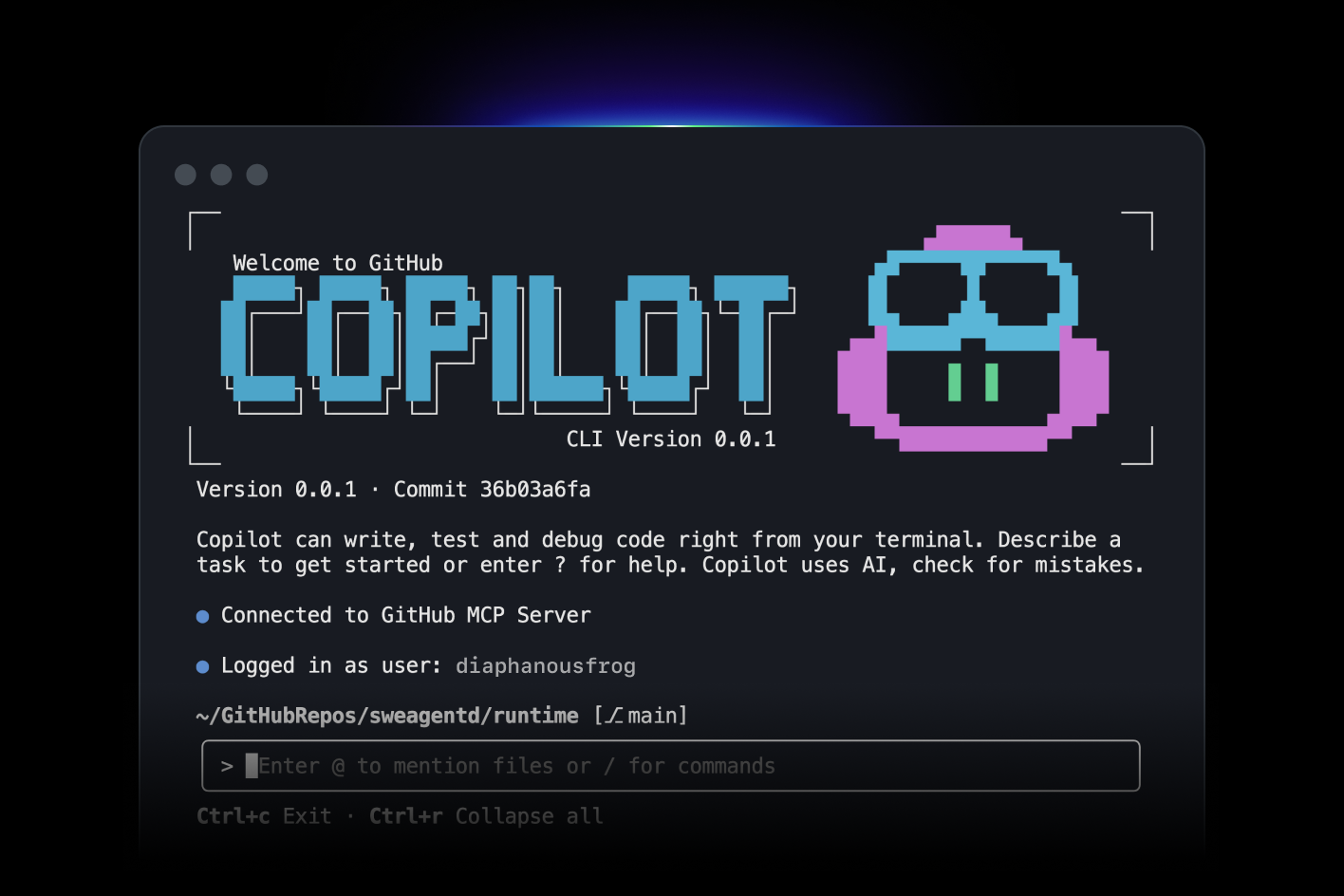
From Larry Bruce: "GitHub's billing shift is a clear signal that the economics of AI tooling are finally catching up with reality. For developers and teams building with AI, understanding how token-based costs scale is quickly becoming as essential as writing the code itself. — Larry Bruce, BDCbox"
The Recap: GitHub announced it will move GitHub Copilot to a usage-based billing model starting June 1, 2026, replacing flat-rate premium requests with AI Credits billed by how many tokens you actually consume.
Unpacked:
Bottom line: The all-you-can-eat AI subscription era is giving way to a pay-for-what-you-use reality. Developers who rely on agentic workflows should audit their usage habits now — before June 1 turns a predictable monthly bill into an unwelcome surprise.

From Larry Bruce:
"The deployment of humanoid robots in real-world operations is no longer a concept — it's actively unfolding in one of the world's busiest airports. For professionals tracking where this technology lands next, this pilot is a clear signal that humanoid robots are moving beyond demos and into daily operations." — Larry Bruce, BDCbox
The Recap: Japan Airlines is launching a humanoid robot pilot at Tokyo's Haneda Airport in May 2026, with trials running through 2028, targeting baggage handling, cargo loading, and aircraft cabin cleaning.
Unpacked:
Bottom line: Japan Airlines' Haneda pilot is one of the most concrete tests yet of whether humanoid robots can reliably take on physically demanding work in high-traffic, real-world environments. If the results hold up, airport operators around the world will have a strong case to follow.

From Larry Bruce: "The speed at which AWS responded to OpenAI's split from Microsoft says everything about how fiercely cloud providers are competing for AI workloads right now. For developers and enterprise teams, this kind of competition is worth watching closely — it directly shapes where you'll build next."
— Larry Bruce, Editor, BDCbox
The Recap: Less than 24 hours after OpenAI ended Microsoft's exclusive cloud rights, Amazon announced that AWS Bedrock now hosts OpenAI's latest models — a move that signals just how competitive the enterprise AI cloud space has become.
Unpacked:
Bottom line: For enterprise developers, having OpenAI's models available across multiple cloud platforms creates real flexibility in how and where you deploy AI workloads. The speed of Amazon's move makes clear that competition for those workloads is intensifying — and that pressure tends to benefit builders in the long run.
Lovable launches its vibe coding platform on iOS and Android, letting developers build web apps and websites on the go via voice or text prompts — even as Apple's new App Store rules push vibe-coding tools to run previews in browsers instead of inside the host app itself.
Amazon launched a new "Join the chat" AI feature on product pages that lets shoppers ask specific questions and receive real-time conversational audio responses from AI-powered shopping experts — building on its Rufus assistant and "Hear the highlights" audio summaries to create a more interactive, voice-driven shopping experience.
Neurable looks to license its non-invasive EEG-based brain-computer interface technology to consumer wearable makers — including headphones, glasses, and headbands — using AI to analyze brain activity for focus and cognitive performance insights, following a $35M Series A and an existing partnership with HP Inc.'s HyperX gaming brand.
Otter expands beyond meeting transcription by becoming an MCP client, letting its 35 million users search and query data across Gmail, Google Drive, Notion, Jira, and Salesforce alongside their meeting notes — a move that repositions the AI notetaker as a full enterprise workspace hub.
