Good morning, AI enthusiasts. OpenAI's Codex agent just got a significant upgrade — a new Chrome extension that lets it operate inside live, logged-in browser sessions across tools like Gmail, Salesforce, and LinkedIn.
This puts Codex in direct competition with other computer-use agents racing to automate real professional workflows, not just isolated coding tasks. The bigger question: as AI agents gain access to authenticated sessions and sensitive business tools, how carefully are users thinking about what they're handing over?
In today's AI recap:
From Larry Bruce: "OpenAI just expanded what AI agents can actually do by giving Codex the ability to work inside live, logged-in browser sessions — and the implications for professional workflows are significant. For developers and power users looking to automate real work across tools like Gmail and Salesforce, this is a development worth paying close attention to." — Larry Bruce, Editor, BDCbox
The Recap: OpenAI launched a Chrome extension for its Codex AI agent that lets it operate inside authenticated browser sessions, moving AI assistance beyond coding sandboxes and into everyday productivity tools.
Unpacked:
Bottom line: AI agents are moving out of isolated sandboxes and into the tools professionals use every day. The shift toward authenticated browser access marks a new stage in what AI can automate — and how much of your workflow it can eventually handle end-to-end.

From Larry Bruce:
"Sony Interactive Entertainment just made one of the clearest corporate signals yet that AI is reshaping how major studios build games — and that's worth watching closely. For professionals and early adopters in this space, this is a preview of how AI will compress production timelines across the entire creative industry. — Larry Bruce, BDCbox"
The Recap: Sony Interactive Entertainment CEO Hideaki Nishino told investors that AI development tools are lowering the barriers to making games, speeding up production cycles, and will meaningfully increase the number and variety of games hitting the market.
Unpacked:
Bottom line: When a $100B+ company formally tells investors that AI will drive more games to market, the rest of the industry takes notice. This sets a precedent that could push studios of all sizes to adopt AI production tools far sooner than they originally planned.
From Larry Bruce: "Google's latest changes to AI search signal a real shift in how the company balances AI-generated answers with the open web — something every publisher and content creator should pay close attention to. For our readers building products or content strategies around search, understanding where Google is heading next matters more than ever. — Larry Bruce, BDCbox"
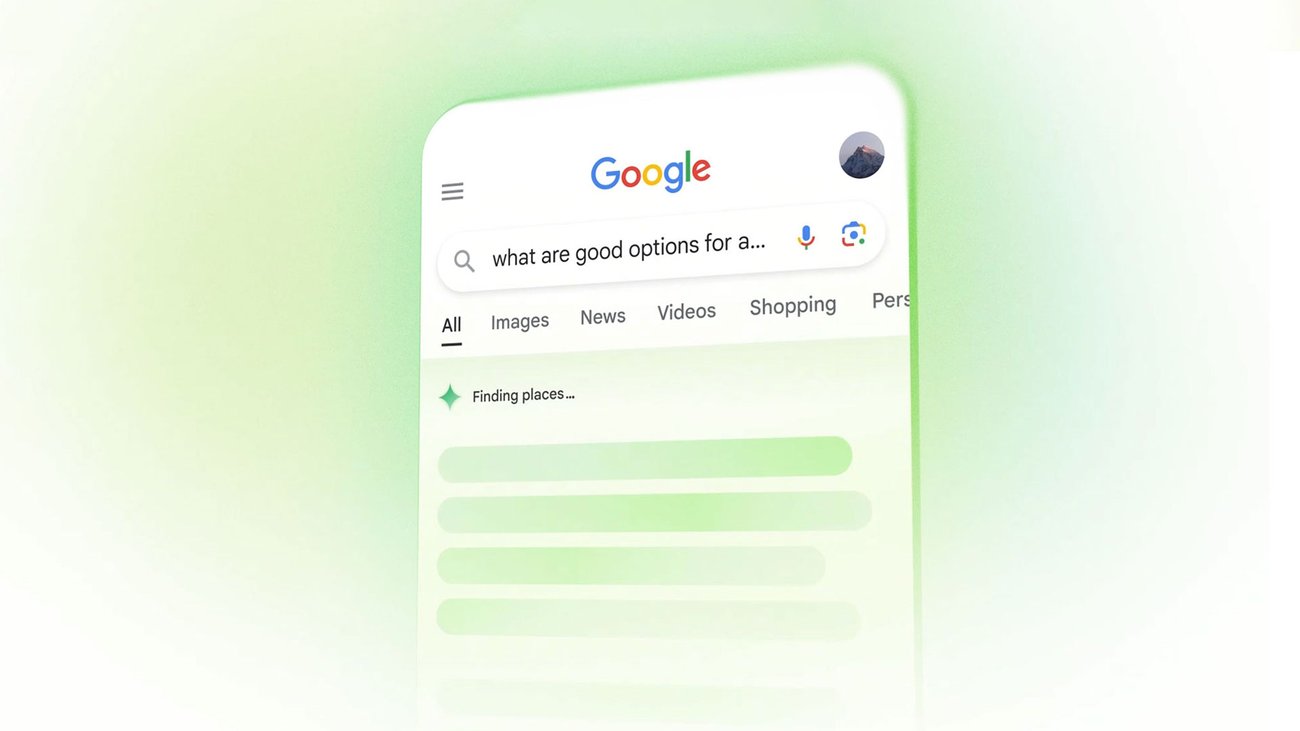
The Recap: Google announced a series of updates to AI Overviews and AI Mode designed to send more traffic back to websites, introducing new link sections, citation tools, hover previews, and a publisher subscription API that gives media companies more visibility inside AI-generated answers.
Unpacked:
Bottom line: Google is responding to real pressure from publishers, lawmakers, and courts — not just fine-tuning its product. Whether these updates translate into meaningfully restored web traffic, or simply soften the optics of AI search, is the question publishers will be watching closely.

From Larry Bruce:
"Healthcare's administrative failures are one of the most frustrating — and costly — problems hiding in plain sight, and AI is starting to close the gap where human bandwidth simply can't keep up. For professionals watching where AI creates real-world impact, this is exactly the kind of unglamorous, high-stakes workflow automation worth paying attention to." — Larry Bruce, BDCbox
The Recap: Basata, a Phoenix-based AI startup, raised $21M in Series A funding to automate the specialist referral process — using AI to read faxed referral documents, pull out patient information, and call patients to schedule their appointments before they even leave their primary care doctor's office.
Unpacked:
Bottom line: The referral bottleneck is one of the most overlooked reasons patients fall through the cracks in the US healthcare system. Automating it end-to-end doesn't just save administrative time — it directly changes whether a patient gets the care their doctor ordered.
Perplexity launched its Personal Computer Mac app to all users, an AI agent that can autonomously dig through local files, operate inside native Mac apps, browse the web, and connect to over 400 tools — with users able to kick off tasks remotely from an iPhone and let it run overnight on a home Mac.
Google downloaded a 4GB Gemini Nano model into Chrome browsers without asking users — something it's been doing since 2024 — but the practice is drawing renewed scrutiny after Chrome 148 quietly removed the language that previously assured users the on-device AI data would never be sent to Google's servers.
